
The great Vijayanagara empire gave patronage to Indian artists. The Veerbhadra Lepakshi Temple at Anantapur in Andhra Pradesh is a marvel in stone. Many tried exploring how a stone pillar hangs but failed………😮😮😮
Key Highlights
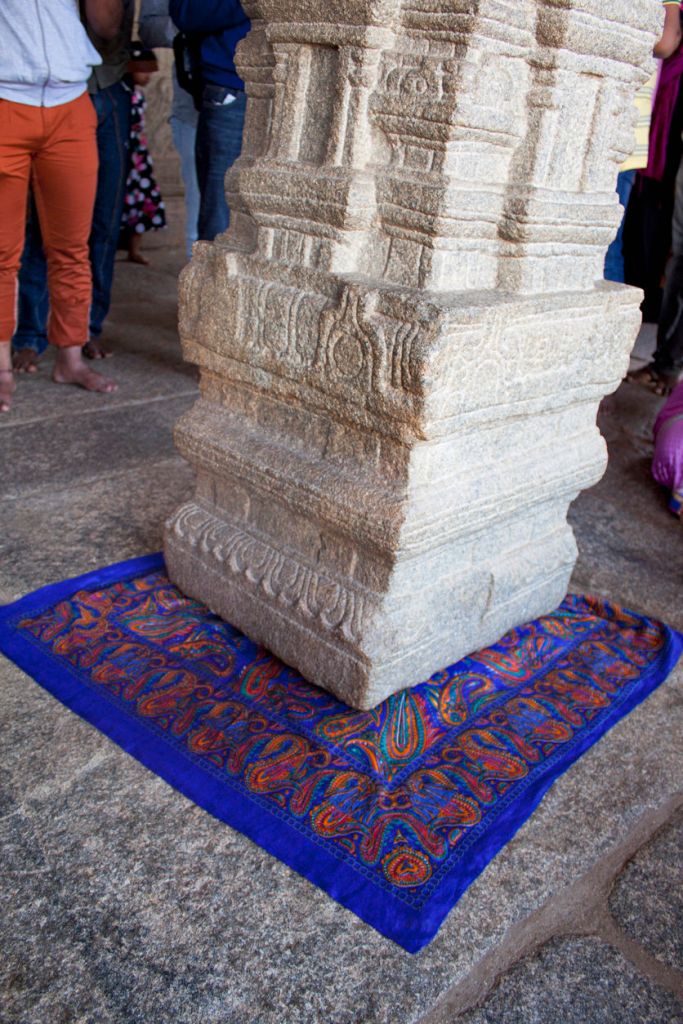
- One big mystery at the Lepakshi temple is how the hanging piller was constructed or carved.
- While sixty-nine other pillars support the ceiling, one corner pillar does not touch the temple floor at all.
- There is a small gap between the temple floor and base of the pillar and you can pass thin objects like a piece of cloth from one side to the other.
The Lepakshi temple, also known as Veerbhadra temple is one among the marvels of ancient Indian architecture. Carved out of rock, this magnificence in stone speaks volumes about the great Vijayanagara Empire.
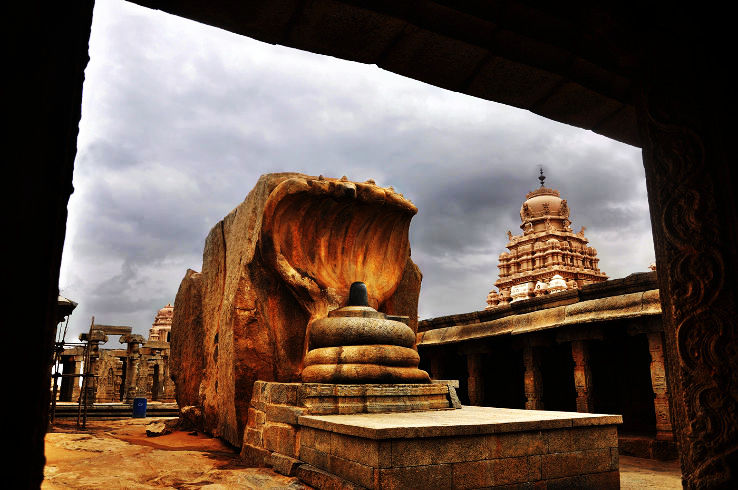
The shrine dedicated to Lord Veerabhadra, the Lepakshi Temple is an exhibition of timeless art which includes beautiful frescoes and murals. Much of the temple is built on a low, rocky hill called Kurmasailam (“tortoise hill” in Telugu) – inspired by the shape of the hill.
As per the Puranas, the Veerabhadra temple was built by the sage Agastya. Moortis of Ganesha, Nandi, Veerabhadra, Shiva, Bhadrakali, Vishnu and Lakshmi are important deities in the temple. It is also believed that Pakshi Jatayu fell at this spot after his battle with Ravana to rescue Mata Sita. Lord Rama is said to have said to the brave bird “Le Pakshi” — ‘rise, bird’ in Telugu. This temple also houses a footprint that is believed to be of Mata Sita.
Walking around the temple, you will discover the glory of the Vijayanagara kingdom which gave patronage to artists who created these amazing pictorial representations. Carved in its walls are images of musicians and saints. You will see beautiful dancing Ganesha moorti, murtis of Mata Parvati and Lord Shiva. There is also a cave chamber here where Sage Agasthya is said to have lived.

 unspoken thoughts